
Why Does My Furnace Smell Like Burning?


Why Does My Furnace Smell Like Burning? What's Normal and What's Not
When you turn on your furnace for the first time in the fall, you might notice a burning smell coming from your vents. Sometimes, it's simply dust burning off after months without using the heat. Other times, an unusual odor can signal an electrical problem or another issue that shouldn't be ignored.
So how can you tell the difference?
At Holm Heating and Cooling, we believe homeowners should understand what their heating systems are telling them. Knowing which furnace odors are common, which ones require attention, and when to stop running your system can help protect your home and restore your comfort.
Let's look at the most common causes of a furnace burning smell and what you should do about each one.
1. Dust Burning Off When You First Turn on the Furnace
One of the most common reasons a furnace smells like burning is accumulated dust.
During the warmer months, dust can settle on furnace components and heat exchanger surfaces. When the heating system starts operating again, that dust may heat up and produce a temporary dusty or slightly burnt odor.
You might notice this when you turn on the heat for the first time in the fall, particularly if the system hasn't operated for several months.
A mild dusty smell should generally fade relatively quickly as the system runs.
However, don't automatically assume every burning odor is harmless dust. If the smell is strong, persists, returns repeatedly, or resembles burning plastic or electrical wiring, turn the system off if you can do so safely and arrange professional heating repair.

2. A Dirty Air Filter May Be Restricting Airflow
Your furnace needs adequate airflow to operate properly. When an air filter becomes clogged with dust, pet hair, and other debris, it can restrict the amount of air moving through the system.
Restricted airflow can contribute to overheating and may cause a furnace's safety controls to shut down the burners.
A dirty filter doesn't necessarily mean your furnace will produce a burning smell, but it is one possible contributor to heating problems.
Here are a few things you can check:
Inspect the air filter for visible dirt and buildup.
Replace it if it is dirty, using the correct size and type for your system.
Make sure furniture, rugs, and other objects aren't blocking return-air grilles.
Pay attention to weak airflow or a furnace that repeatedly shuts off.
If the smell continues after replacing a dirty filter, don't assume the problem has been resolved. An HVAC technician can evaluate the system and determine whether another issue is involved. If your furnace repeatedly starts and stops, read our guide to common causes of furnace short cycling.
3. A Burning Plastic or Electrical Smell Could Signal a Serious Problem
A burning plastic, hot-wire, or electrical odor deserves more attention than a mild dusty smell.

Modern heating systems rely on electrical components, motors, wiring, and controls. If a component overheats or develops an electrical fault, it may produce an unusual odor.
Other warning signs may include:
A strong burning smell that doesn't go away.
Buzzing, crackling, or unusual electrical noises.
A furnace that repeatedly trips a circuit breaker.
Smoke or visible signs of overheating.
A system that suddenly stops working.
If you notice these warning signs, stop using the furnace. Turn it off at the thermostat if safe to do so, and arrange professional furnace repair. Do not remove panels or attempt to inspect internal electrical components.
If you see smoke or fire, leave the home and call emergency services.
Electrical problems rarely improve by continuing to operate the equipment. Having the system inspected can help identify the cause before additional damage occurs.
4. Why Does My Furnace Smell Like Something Is Burning After Running for a While?
A furnace that begins producing an unusual odor after it has been operating for some time may have a problem that only appears once components become hot.
Possible causes include overheating, restricted airflow, a motor problem, or an electrical component that isn't operating correctly.

You might also notice that the furnace runs for a while before shutting down, or that the odor returns every time the system starts.
These symptoms don't identify a specific failed component on their own. Several different problems can produce similar warning signs.
If the smell is persistent, strong, or electrical in nature, stop operating the furnace and have it inspected rather than repeatedly restarting it to see whether the odor disappears.
5. What If You Smell Rotten Eggs or Sulfur?
A rotten-egg or sulfur-like smell can indicate a natural gas leak when you have gas heating equipment.
Natural gas suppliers add an odorant to help make gas leaks detectable. Although odors can have other causes, you should treat a suspected gas leak seriously.

If you smell gas or rotten eggs:
Leave the building immediately.
Do not operate lights, electrical switches, appliances, or anything else that could create an ignition source.
Do not attempt to locate the leak or troubleshoot the furnace.
Once you are safely away from the building, contact your gas utility or emergency services according to their instructions.
Do not reenter the building until emergency personnel or the appropriate utility provider tells you it is safe.
This is not a situation where you should continue troubleshooting or wait to see whether the smell disappears.
6. Could Your Furnace Need Professional Maintenance?
Routine HVAC maintenance can help identify conditions that may contribute to overheating, unusual odors, reduced airflow, and unreliable operation.

During a professional inspection, a technician can evaluate the system's operation, inspect accessible components, check airflow-related concerns, and look for signs of wear or developing problems.
Maintenance is particularly valuable before the heating season begins, when you want to know that your furnace is ready to operate reliably.
A maintenance visit does not guarantee that every future breakdown can be prevented. However, it can help identify certain issues before they become more disruptive.
Homeowners should also replace air filters as recommended for their equipment and pay attention to changes in system performance.
If your furnace has developed a new burning smell, don't rely on routine maintenance alone as a substitute for investigating the specific problem.
7. When Should You Turn Off Your Furnace?
Not every furnace odor means the equipment is failing. A mild dusty smell during initial seasonal startup may be temporary.
However, you should stop operating the system and seek appropriate help if you notice:
A burning electrical or plastic smell.
Smoke, sparks, or visible signs of overheating.
A strong or persistent unexplained burning odor.
Repeated circuit-breaker trips.
Unusual noises accompanied by a burning smell.
A gas odor or rotten-egg smell.
If you suspect a gas leak, leave the home immediately and contact the gas utility or emergency services from a safe location. If a carbon monoxide alarm sounds, leave the home and contact emergency services. Carbon monoxide is odorless, so the absence of a smell does not mean the home is safe.
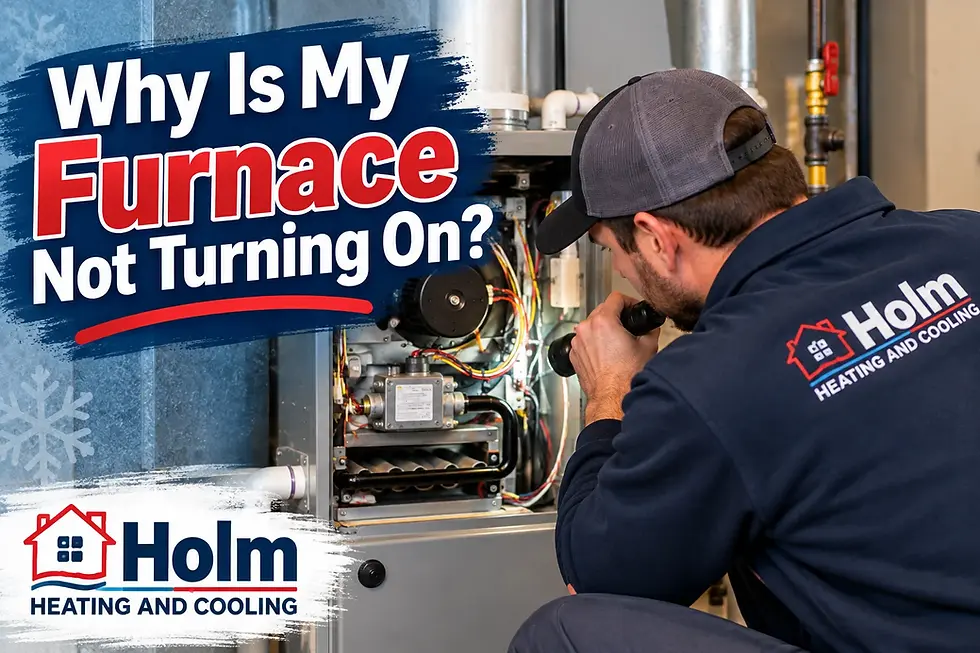
Never bypass a furnace safety control or continue restarting a system that appears to have an electrical or mechanical fault. If your furnace won't restart after you've addressed a possible issue, read our guide to why your furnace may not be turning on.

Frequently Asked Questions
Is it normal for a furnace to smell like burning when first turned on?
A mild dusty smell can occur when a furnace is first used after months of inactivity. It should fade relatively quickly. A strong, persistent, electrical, or plastic-like odor should not be treated as normal.
How long should a furnace burning-dust smell last?
There isn't one exact duration for every system, but a mild startup dust smell should diminish as the furnace operates. If it persists, grows stronger, or returns repeatedly, turn the system off if safe and arrange professional evaluation.
Can a dirty furnace filter cause a burning smell?
A dirty filter can restrict airflow and contribute to overheating. Although it isn't the cause of every burning odor, checking and replacing a dirty filter is a sensible first step when it can be done safely.
Should I turn off my furnace if it smells like burning plastic?
Yes. A burning plastic or electrical odor can indicate an overheating component or electrical fault. Stop operating the system and contact an HVAC professional. If there is smoke or fire, leave the home and call emergency services.
Can I run my furnace if I smell gas?
No. Leave the building immediately without operating electrical switches or attempting repairs. Contact your gas utility or emergency services from a safe location and follow their instructions.
Keep Your Home Comfortable and Your Heating System Safe
An unfamiliar furnace smell doesn't always mean something serious is wrong, but knowing the difference between a temporary dusty odor and a warning sign matters.
If your furnace produces a persistent burning smell, repeatedly shuts down, or isn't operating as it should, professional diagnosis can help determine what's happening and what needs to be done.

Holm Heating and Cooling provides residential heating repair and HVAC services in Wake Forest and surrounding North Carolina communities. We work to identify the cause of heating problems and explain practical options for getting your system back to reliable operation.
If you're concerned about an unusual furnace odor, contact Holm Heating and Cooling to discuss scheduling professional heating service.
Holm Heating and Cooling — helping homeowners stay comfortable with dependable heating and cooling service.


Comments