
Why Is My AC Short Cycling? Common Causes and What to Do

Updated: 2 days ago
Is your air conditioner turning on and off more frequently than it should? If your AC starts, runs for only a short time, shuts off, and then starts again shortly afterward, your system may be short cycling.

Short cycling is more than an annoyance. Frequent starts and stops can prevent your air conditioner from properly cooling and dehumidifying your home, increase energy consumption, and put additional wear on important components.
For homeowners in Wake Forest, Raleigh, Rolesville, Youngsville, Franklinton, Louisburg, Zebulon, Wendell, Knightdale, and surrounding North Carolina communities, understanding why an AC short cycles can help you recognize a problem before it turns into a more expensive repair.
At Holm Heating and Cooling, we help homeowners diagnose air conditioning problems and determine the right solution for their systems.
What Is AC Short Cycling?
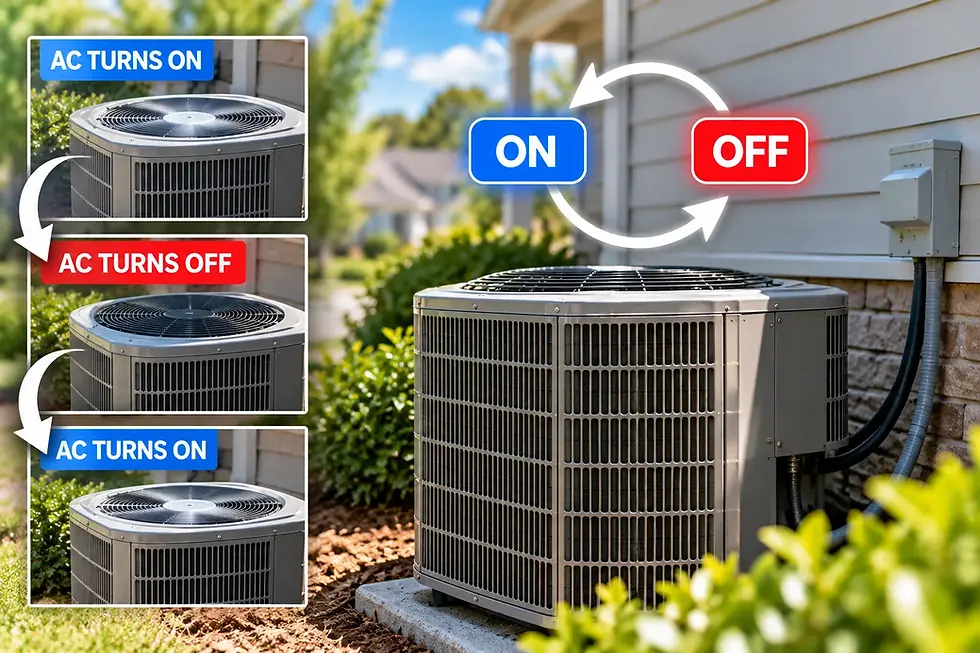
AC short cycling occurs when your air conditioner turns on and off repeatedly without completing a normal cooling cycle.
For example, your AC may:
Turn on and run for only a few minutes
Shut off before the home reaches the thermostat setting
Start again shortly afterward
Repeat this process throughout the day
An air conditioner is designed to run long enough to remove heat and humidity from your home before shutting off. The exact cycle length can vary depending on outdoor temperature, indoor conditions, system size, thermostat settings, and other factors.
Occasional shorter cycles aren't necessarily a problem. However, if your air conditioner is repeatedly starting and stopping throughout the day, there may be an underlying issue that needs attention.
How Often Should an Air Conditioner Cycle?
There isn't one exact amount of time that every air conditioner should run.
During mild weather, your system may run for shorter periods. During extremely hot North Carolina weather, it may run for much longer periods as it works to remove heat from your home.
The important thing is whether the system is operating normally and maintaining a comfortable indoor temperature.
If your AC repeatedly turns on and off after only a few minutes, struggles to maintain the thermostat setting, or never seems to complete a normal cooling cycle, short cycling may be occurring.
Signs Your AC May Be Short Cycling
Some common signs include:
Your AC turns on and off every few minutes
The outdoor unit repeatedly starts and stops
Your home isn't reaching the thermostat setting
Certain rooms remain warmer than others
Your energy bills have increased
The system seems to be constantly restarting
You notice unusual noises when the system starts
Your AC develops ice or freezes
The system doesn't seem to remove humidity effectively
The air conditioner requires frequent repairs
Short cycling can have several different causes, so identifying the reason is important before deciding how to fix it. If your air conditioner is also making unusual sounds while turning on and off, learn more about the common causes of unusual AC noises.
Common Causes of AC Short Cycling
1. A Dirty Air Filter
One of the simplest potential causes of AC problems is a dirty or clogged air filter.
Your HVAC filter helps remove dust and other particles from the air before it moves through the system. As the filter becomes dirty, airflow can become restricted.
Restricted airflow can cause the system to operate improperly and may contribute to problems such as an evaporator coil freezing.
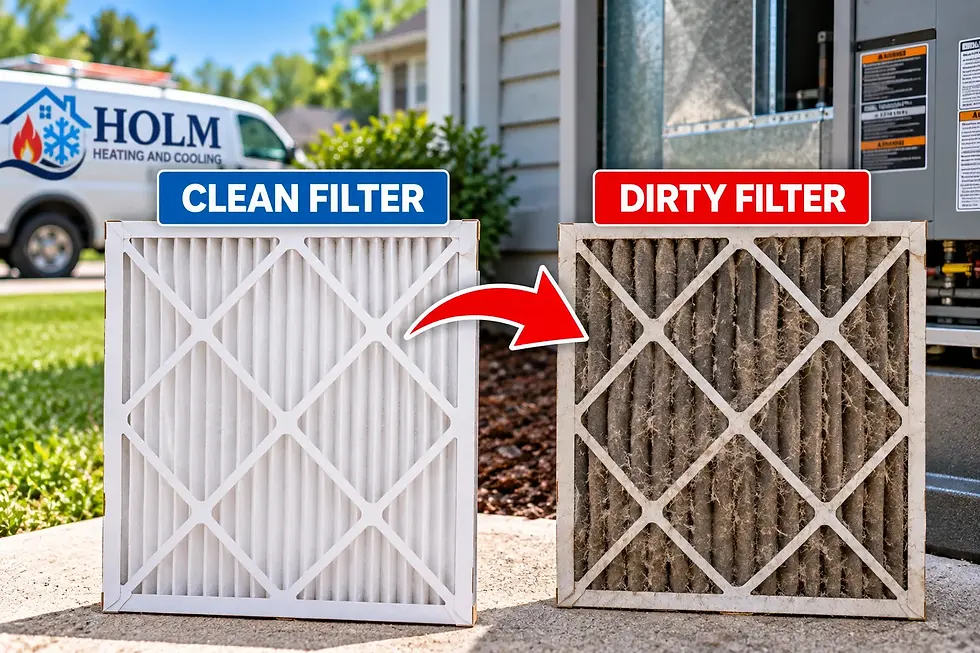
Check your air filter regularly and replace it with the correct size and type when necessary.
If replacing the filter doesn't solve the problem, there may be another issue affecting the system.
2. Thermostat Problems
Your thermostat tells the air conditioner when cooling is needed.
If the thermostat isn't accurately sensing the temperature, the system may receive incorrect signals about when to turn on or off.
Potential thermostat-related problems include:
Incorrect temperature readings
Improper thermostat placement
Electrical problems
A failing thermostat
Incorrect settings

Make sure your thermostat is set to Cool and that the temperature setting is appropriate.
If the thermostat appears to be working correctly but the AC continues to short cycle, professional diagnosis may be necessary.
3. A Frozen Evaporator Coil
A frozen evaporator coil can interfere with normal air conditioner operation.
Several problems can contribute to a frozen coil, including restricted airflow, a dirty filter, or refrigerant-related problems.
When the coil freezes, the system may not be able to cool properly.
If you see ice forming on the indoor coil or refrigerant lines, turn the air conditioner off and allow the system to thaw. When a frozen coil thaws, the excess water can sometimes lead to leaks around the indoor unit. If you notice water around your system, learn more about the common causes of AC water leaks.
Don't continue operating the system while it is frozen because doing so can potentially cause additional problems. If your air conditioner keeps freezing up, learn more about the common causes of a frozen AC coil and what you can do next.
4. Low Refrigerant or a Refrigerant Leak
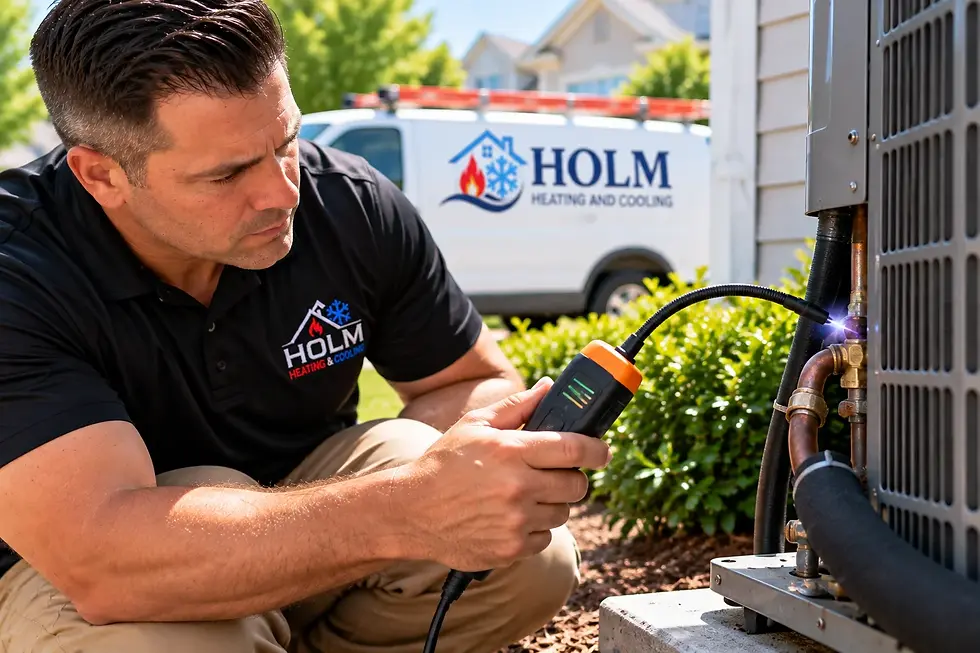
Low refrigerant can affect the ability of your air conditioner to properly absorb and remove heat from your home.
A system with a refrigerant problem may:
Struggle to cool the home
Run for long periods
Develop ice
Have reduced cooling performance
Short cycle in some situations
An air conditioner should not routinely lose refrigerant during normal operation.
If the refrigerant level is low, the important question is why.
Simply adding refrigerant without identifying the underlying problem may not provide a long-term solution. A qualified HVAC technician can inspect the system and determine whether a refrigerant leak or another issue is present. Low refrigerant can also cause an air conditioner to run without providing adequate cooling. If your system is running but not cooling properly, learn more about the common causes of an AC that isn't cooling.
5. A Dirty Outdoor Condenser Coil
Your outdoor condenser coil releases the heat removed from your home.
Because the outdoor unit is exposed to the weather, dirt, grass clippings, leaves, pollen, and other debris can accumulate around the coil.
When the condenser coil becomes excessively dirty or airflow around the outdoor unit is restricted, the system may have difficulty releasing heat.
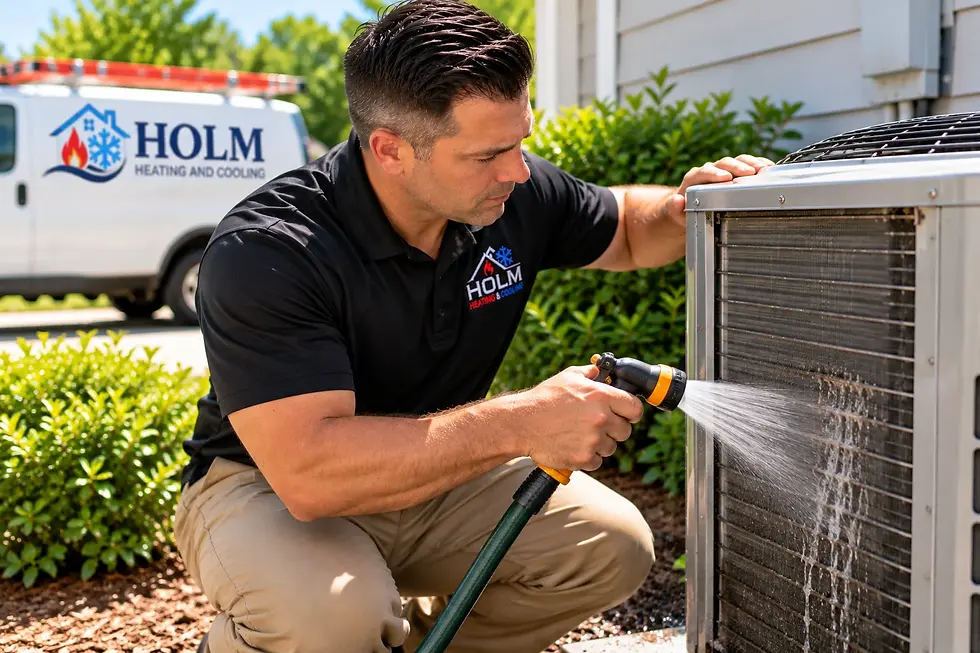
This can affect cooling performance and may contribute to abnormal operation.
Keep grass, weeds, leaves, and other debris away from the outdoor unit. More involved cleaning and service should be handled carefully to avoid damaging the equipment.
6. Airflow Problems
Proper airflow is essential for your air conditioner to operate correctly.
Airflow problems can be caused by:
Dirty filters
Blocked vents
Restricted ductwork
Damaged ducts
Disconnected ducts
Poorly designed ductwork
Other HVAC system problems

If some rooms are much warmer than others, or the airflow from your vents seems weak, an airflow problem may be contributing to the issue.
7. Your Air Conditioner Is Too Large for Your Home
An improperly sized air conditioner can also cause short cycling.
It might seem like a larger air conditioner would always be better, but that's not necessarily the case.
An oversized system can cool the air quickly and reach the thermostat setting before it has enough time to properly remove humidity from the home.
The result can be frequent starts and stops, inconsistent comfort, and higher indoor humidity.
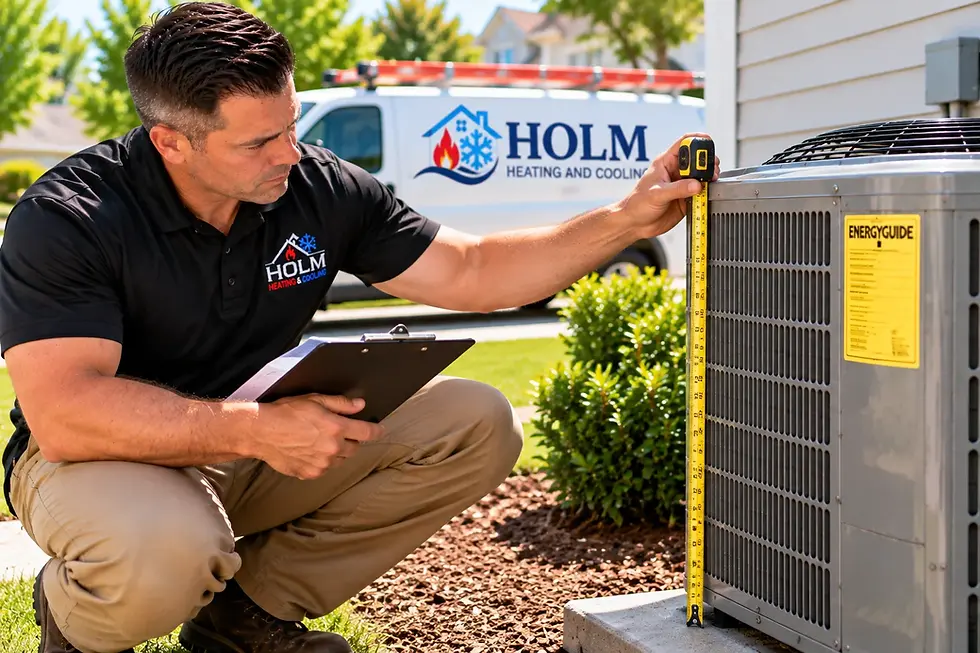
Proper HVAC sizing considers factors such as:
Home size
Insulation
Windows
Ductwork
Home orientation
Local climate
Existing heating and cooling requirements
If an air conditioner is improperly sized, replacing it with another system without properly evaluating the home may not solve the underlying problem.
8. Electrical or Control Problems
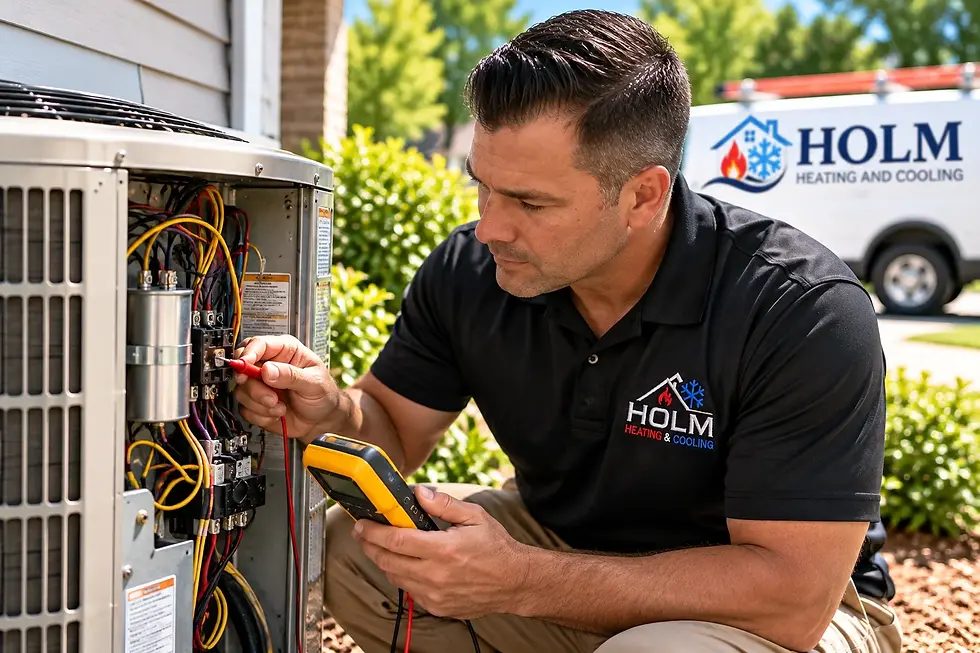
Air conditioners contain electrical components and controls that work together to operate the system.
Problems involving components such as:
Capacitors
Relays
Contactors
Control boards
Wiring
Other electrical components
can affect how the system starts and stops.
Electrical problems can be dangerous to diagnose or repair without the proper training and equipment.
If your AC is repeatedly starting and stopping and you suspect an electrical problem, professional HVAC service is recommended.
9. Compressor Problems
The compressor is one of the most important components in an air conditioning system.
A failing compressor can cause serious cooling problems and may result in abnormal system operation.
Compressor problems can be expensive to repair, particularly on an older system.
If your AC is short cycling along with unusual noises, poor cooling, electrical problems, or other symptoms, a professional inspection can help determine whether the compressor is involved.
10. Extremely Hot Outdoor Temperatures

Sometimes longer or unusual AC operation isn't caused by a mechanical problem.
During periods of extreme North Carolina heat, your air conditioner may run for extended periods because there is simply a large amount of heat for the system to remove.
However, extreme outdoor temperatures generally cause longer run times—not necessarily repeated short cycles.
If your system is repeatedly turning off after only a few minutes even though the home is still warm, another problem may be present.
Is AC Short Cycling Bad for Your Air Conditioner?
It can be.
Every time your air conditioner starts, electrical and mechanical components have to operate to get the system running.
Repeated starting and stopping can place additional stress on components and may contribute to premature wear.
Short cycling can also prevent your system from operating long enough to properly remove humidity from your home.
If the problem continues, it's worth having the system diagnosed rather than simply continuing to operate it and hoping the problem goes away.
Can Short Cycling Increase Your Electric Bill?
Yes, short cycling can contribute to higher energy costs.
An air conditioner uses energy when it starts and operates. If the system repeatedly starts and stops without effectively maintaining the temperature, it may use more energy without providing the comfort you expect.
A sudden increase in your electric bill combined with frequent cycling is a good reason to investigate the system.
Keep in mind that energy usage can also change because of outdoor temperatures, thermostat settings, household usage, and other factors. If your air conditioner seems to run for unusually long periods between cycles, or you are noticing higher energy bills, learn more about the common causes of an AC that won't stop running.

What Should I Check Before Calling an HVAC Technician?
There are a few basic things homeowners can safely check.
Check the thermostat
Make sure the thermostat is set to Cool and that the temperature setting is appropriate.
Check the air filter
Look at the filter and replace it if it is visibly dirty or clogged.
Check the outdoor unit
Make sure grass, leaves, weeds, and other debris aren't blocking airflow around the
outdoor unit.
Check your vents
Make sure supply vents are open and that air is coming from them.
Look for ice
If you see ice on the refrigerant lines or around the indoor coil, turn the system off and allow it to thaw.
Pay attention to other symptoms
Take note of whether your system is:
Blowing warm air
Making unusual noises
Leaking water
Running constantly
Freezing
Having difficulty reaching the thermostat setting
These details can help an HVAC technician determine where to begin troubleshooting.
When Should I Call for AC Repair?
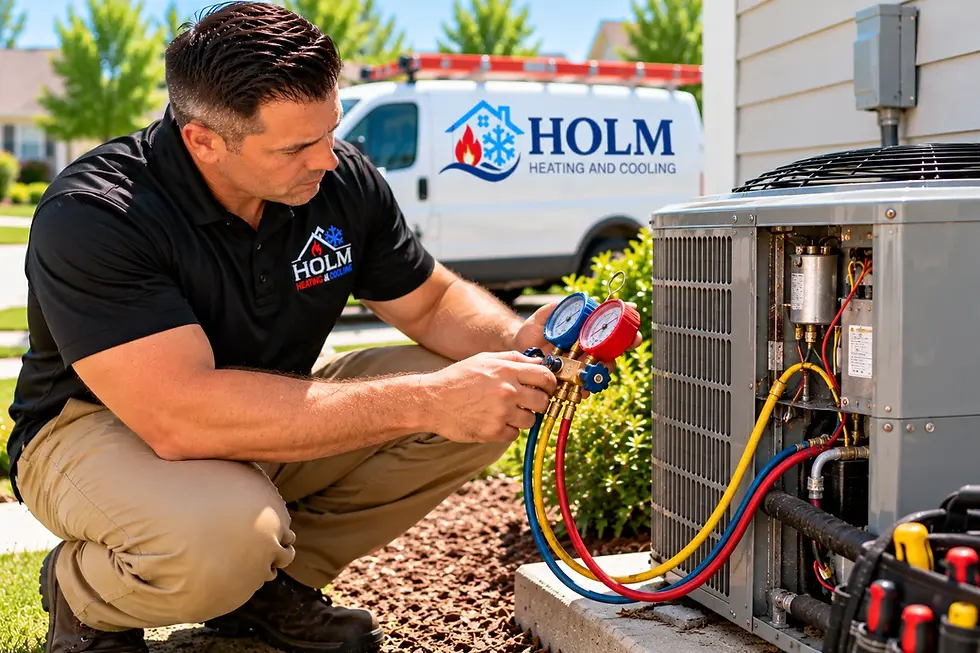
You should consider professional AC repair if your air conditioner continues to short cycle after basic homeowner checks.
Professional service is especially important if:
The system repeatedly starts and stops
Your home won't reach the thermostat setting
The AC is blowing warm air
You see ice on the system
You notice water around the indoor unit
Your electric bill suddenly increases
The outdoor unit isn't operating properly
The system makes unusual noises
The system has electrical problems
The problem keeps returning
Short cycling can have several possible causes, and accurately identifying the underlying problem is important before deciding what repair is needed.
Does AC Short Cycling Mean I Need a New Air Conditioner?
Not necessarily.
Short cycling does not automatically mean your air conditioner needs to be replaced.
The problem could be something relatively simple, such as a dirty filter or thermostat issue. Other causes, such as refrigerant problems, electrical failures, compressor problems, or improper system sizing, may require more involved repairs or evaluation.
If the system is older and has experienced repeated problems, however, it may make sense to compare the cost of continued repairs with the cost of replacement. If your system is older, inefficient, or experiencing repeated problems, a professional can help determine whether a new air conditioning installation makes more sense than continued repairs.

An HVAC professional can evaluate the condition of the equipment and help you understand your options.
How to Prevent AC Short Cycling
Regular maintenance can help reduce the likelihood of many common air conditioning problems.
Homeowners can help by:
Replacing air filters as needed
Keeping the outdoor unit clear of debris
Keeping supply vents open
Paying attention to changes in cooling performance
Addressing unusual noises or other warning signs
Scheduling professional HVAC maintenance
Having refrigerant problems properly diagnosed
Addressing airflow problems early
Professional maintenance can also help identify developing problems before they become larger repairs.
Frequently Asked Questions About AC Short Cycling
How long should an AC run before shutting off?
There isn't one exact cycle length that applies to every air conditioner. Outdoor temperature, system size, thermostat settings, home insulation, humidity, and other factors all affect run time.
The important concern is repeated short operation where the system starts and stops frequently without properly cooling the home.
Why does my AC turn on and off every few minutes?
Several problems can cause an air conditioner to turn on and off repeatedly, including thermostat problems, airflow restrictions, frozen coils, refrigerant issues, electrical problems, improper system sizing, or other equipment problems.
Professional diagnosis may be necessary to determine the actual cause.
Can a dirty filter cause AC short cycling?
A severely dirty filter can restrict airflow and contribute to air conditioning problems. Restricted airflow can also contribute to a frozen evaporator coil, which can interfere with normal cooling operation.
Is short cycling worse than running constantly?
Both can indicate that something isn't operating properly.
Short cycling means the system is repeatedly starting and stopping, while an AC that runs constantly may be struggling to reach the desired temperature.
The underlying cause is more important than simply comparing the two symptoms.
Can low refrigerant cause short cycling?
Refrigerant problems can cause abnormal air conditioner operation, including poor cooling and ice formation. If you suspect low refrigerant, the system should be properly diagnosed to determine why the refrigerant level is low.
Should I turn off an AC that is short cycling?
If the system is repeatedly short cycling, especially if you notice ice, unusual noises, electrical problems, or other concerning symptoms, turning the system off and having it professionally evaluated can help prevent further damage.
Professional AC Repair in Wake Forest and Surrounding Areas
An air conditioner that repeatedly turns on and off shouldn't be ignored.
Short cycling can have a number of causes, ranging from simple maintenance issues to refrigerant, electrical, airflow, sizing, or equipment problems.

At Holm Heating and Cooling, we provide air conditioning repair and HVAC services for homeowners throughout Wake Forest, Raleigh, Rolesville, Youngsville, Franklinton, Louisburg, Zebulon, Wendell, Knightdale, and surrounding North Carolina communities.
If your AC is short cycling, struggling to keep your home comfortable, or showing other signs of trouble, our team can inspect the system, identify the cause, and explain your repair options.
Don't let a short-cycling air conditioner turn into a larger problem. Contact Holm Heating and Cooling to schedule professional AC service.
AC short cycling is not something you should ignore. While some problems, such as a dirty filter or thermostat setting, may be simple to correct, repeated short cycling can also be caused by refrigerant problems, airflow restrictions, electrical issues, improper system sizing, or failing components. If your air conditioner continues turning on and off too frequently after basic checks, professional diagnosis can help identify the underlying problem and protect your system from unnecessary wear.
Call today 919-562-0151


Comments